
Blog
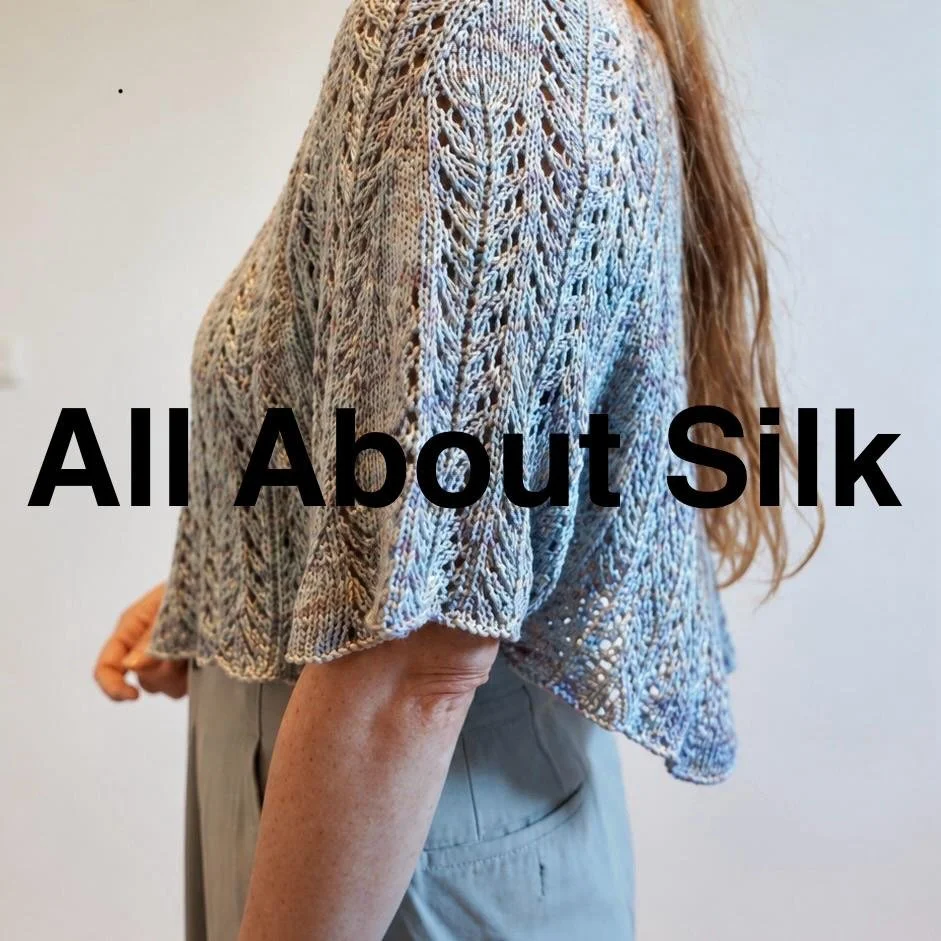
All About Silk: What I Learned About Silk Yarn, Knitting and Everything Else
I started researching silk because my knitting grew. Five episodes later, I’d fallen into a rabbit hole of silkworms, Silk Road history, spider silk, mythology, fibre science and yarn substitution. This post brings together what silk is, why it behaves the way it does in knitting, and what to consider when choosing or replacing silk yarn.
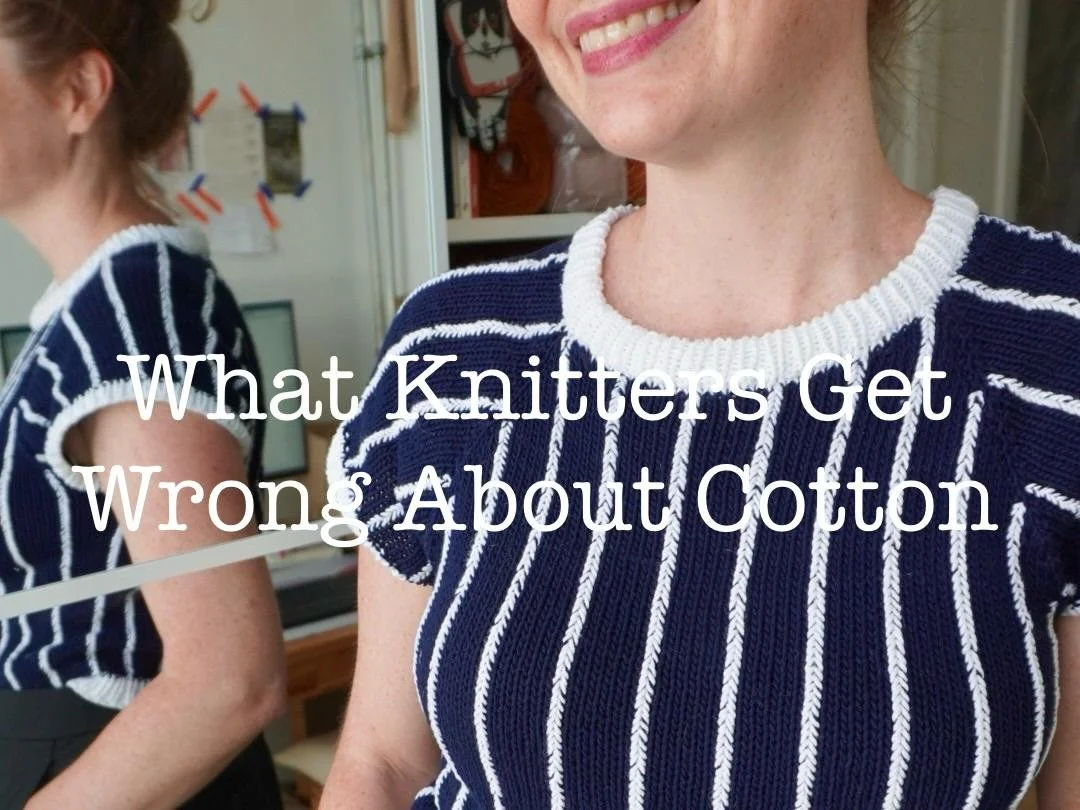
Everything Knitters Get Wrong About Cotton
Cotton yarn is not one thing. Fibre length, spinning method, ply, mercerisation and construction all affect how it behaves. A disappointing cotton project may be a yarn-and-pattern mismatch, not a problem with cotton itself.
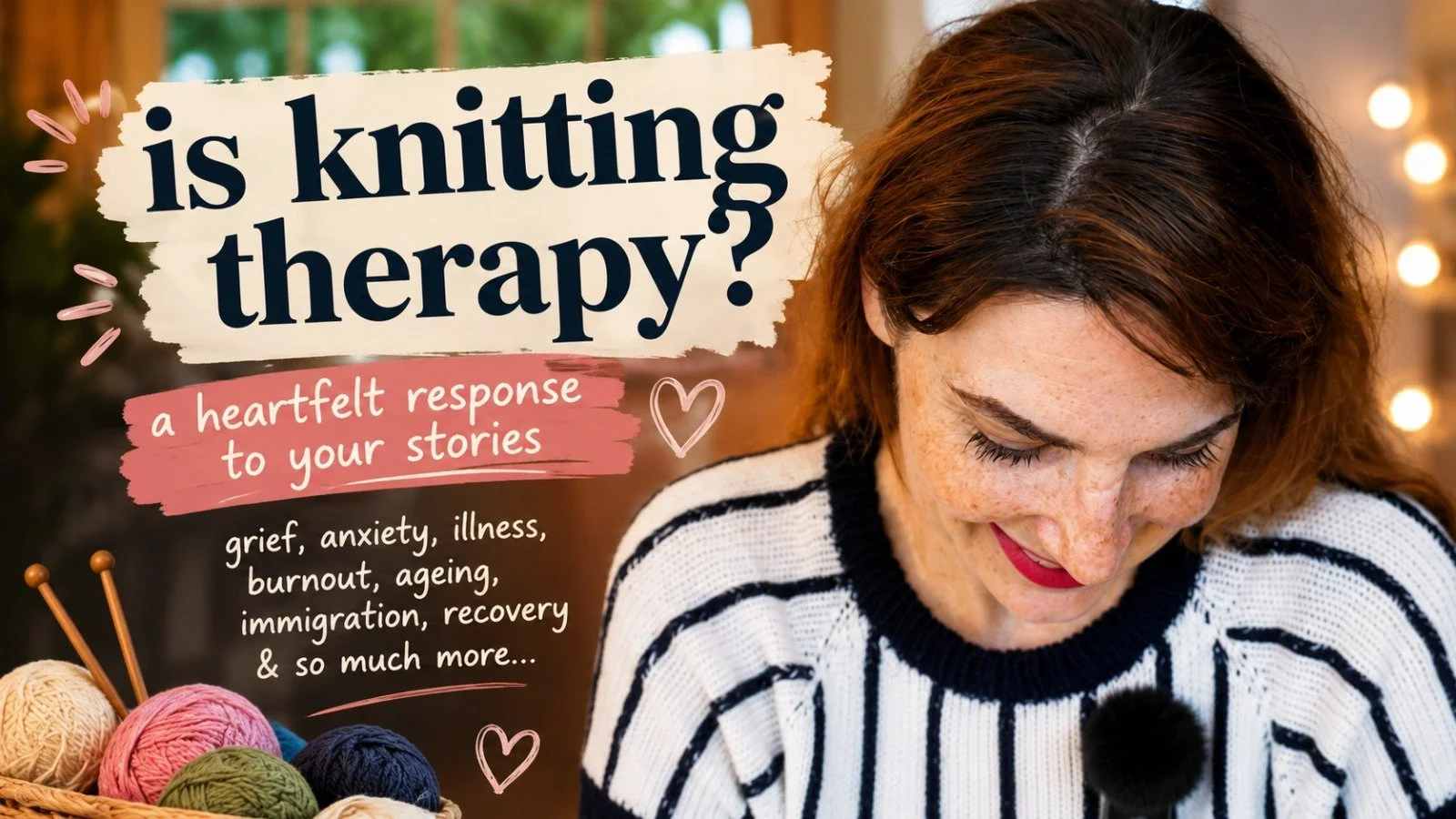
Is Knitting Therapy?
After sharing a vlog about knitting and neuroscience, I expected a conversation about dopamine, memory, attention, and stress reduction. Instead, the comments became something much more human. Knitters shared stories of grief, illness, burnout, uncertainty, and recovery, with knitting quietly present through it all. This post reflects on whether knitting can be considered therapy, and why the steady rhythm of stitches, yarn, and making can offer comfort when life feels difficult to hold.

Is Knitting Rewiring Our Brains? Why We Love to Knit
Explore why knitting feels calming, rewarding, and deeply regulating, from neuroscience and mindfulness to neurodivergence, creativity, and the wellbeing benefits of making by hand.
The Hidden History of Knitting: Folklore, Superstition and Fibre Magic
Across centuries and cultures, knitting has rarely been viewed as simply a practical skill. From early knitted textiles and nålbinding to the Knitting Madonnas, the Sweater Curse and protective black wool, fibre craft has carried stories of devotion, superstition, protection and meaning.
What makes these traditions so compelling is not whether every legend is true. It is that people have always seen something larger in yarn and needles. A handmade garment can be warm, useful and beautifully constructed, but it can also hold memory, care and connection in every stitch.
Bamboo Merino Yarn Review: Designing the Arlino Top with Wolhobby Merino Breeze
Bamboo yarn is often praised for its silky feel, cool touch, and beautiful drape, but it only truly showed its personality after blocking.
For the Arlino Top, Wolhobby’s Merino Breeze brought exactly what the design needed: bamboo for movement and softness, merino wool for memory and structure, and nylon for quiet durability.
A thoughtful fibre blend for an elegant summer knitting pattern.
Acrylic Yarn: The Most Misunderstood Fiber in Knitting
Acrylic yarn is often misunderstood, but it deserves a more thoughtful place in the knitting conversation. As a synthetic fiber, it offers softness, warmth, affordability, and easy care, making knitting more accessible to makers of all experience levels. When used intentionally, especially in yarn blends with wool, cotton, linen, or luxury fibers, acrylic can support durability, drape, and wearability in modern knitwear design.
Handwerkbeurs Houten: A Knitwear Designer’s Yarn Festival Adventure
A knitwear designer’s visit to Handwerkbeurs Houten, filled with yarn festival inspiration, fibre discoveries, and new ideas for upcoming Arly Knits patterns.
Is Merino Silk Worth It? A Deep Dive into One of Knitting’s Most Elegant Yarn Blends
Discover whether merino silk yarn is worth it, how this elegant fibre blend behaves, and why it suits drapey shawls, cardigans, and refined knitwear designs.
Why Everyone Gets Linen Wrong
Linen often surprises knitters the first time they encounter it. On the needles, it can feel crisp and unyielding, far removed from the softness of merino wool or the elasticity of more familiar fibres. But with time, something shifts. As the fabric is washed and worn, it relaxes into itself, developing a fluid drape and a quiet softness that cannot be rushed. It is a material that asks for patience, and in return offers longevity, breathability, and a kind of understated beauty that deepens over time.
Mohair and Halo Yarns: What Knitters Need to Know
Mohair and other halo yarns can transform a knitted fabric, adding softness, haze, drape, and depth. This post explores how mohair, suri alpaca, angora, and other halo fibres really behave in knitwear, from gauge changes and pilling to care, comfort, and choosing the right yarn for your next knitting pattern.
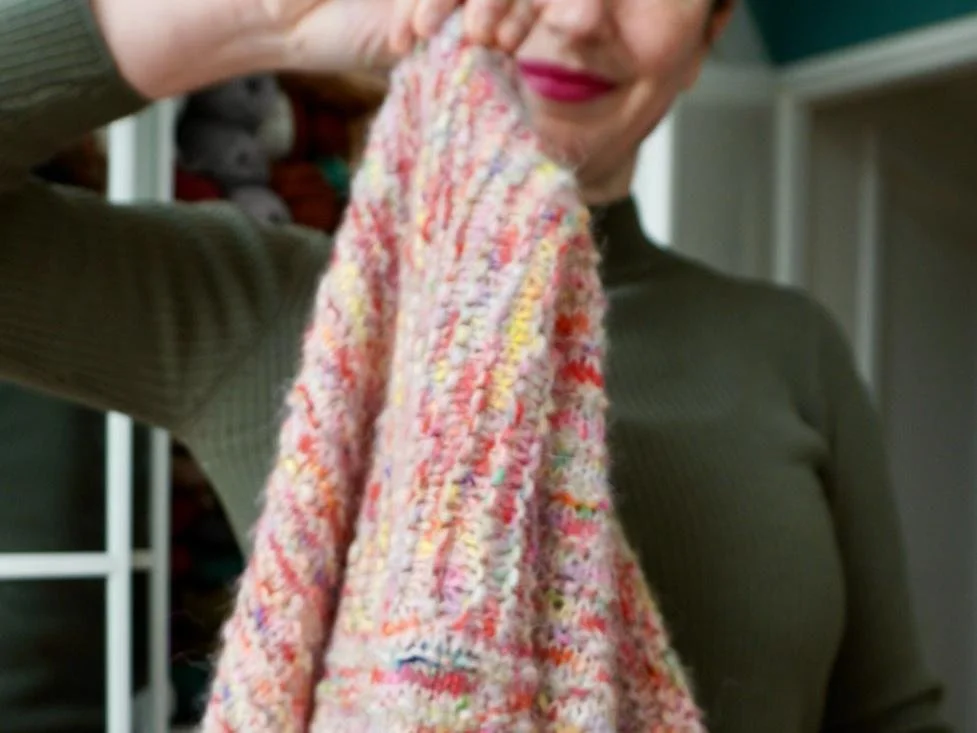
The Story Behind the Typewriter Cardigan
Discover the story behind the Typewriter Cardigan, a modern knitting pattern born from experimentation and a fresh approach to fabric construction. Learn how this unique method creates a soft, drapey texture using multiple yarns, and explore ideas for colourwork, stash busting, and adaptable knitwear design.
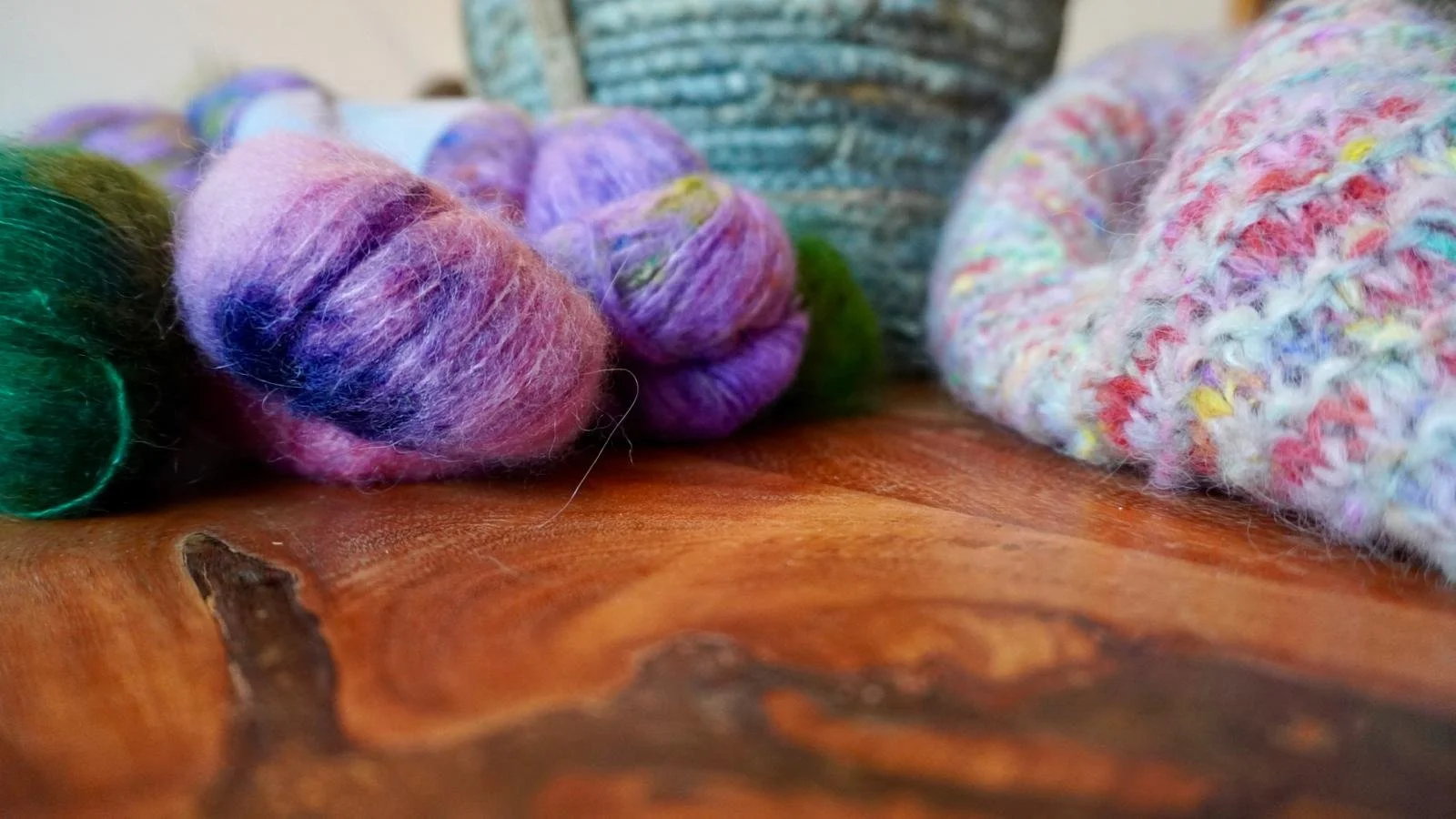
Not All Alpaca Is the Same
Not all alpaca yarn behaves the same, and understanding why can completely change how you approach a knitting pattern. From the fluffy loft of Huacaya fibre to the silky drape of Suri alpaca, the structure of the fibre plays a major role in how alpaca knitwear feels, stretches, and performs over time. This article explores the science behind alpaca yarn, explains what “baby alpaca” actually means, and looks at why fibre blends are often used in modern knitwear design.
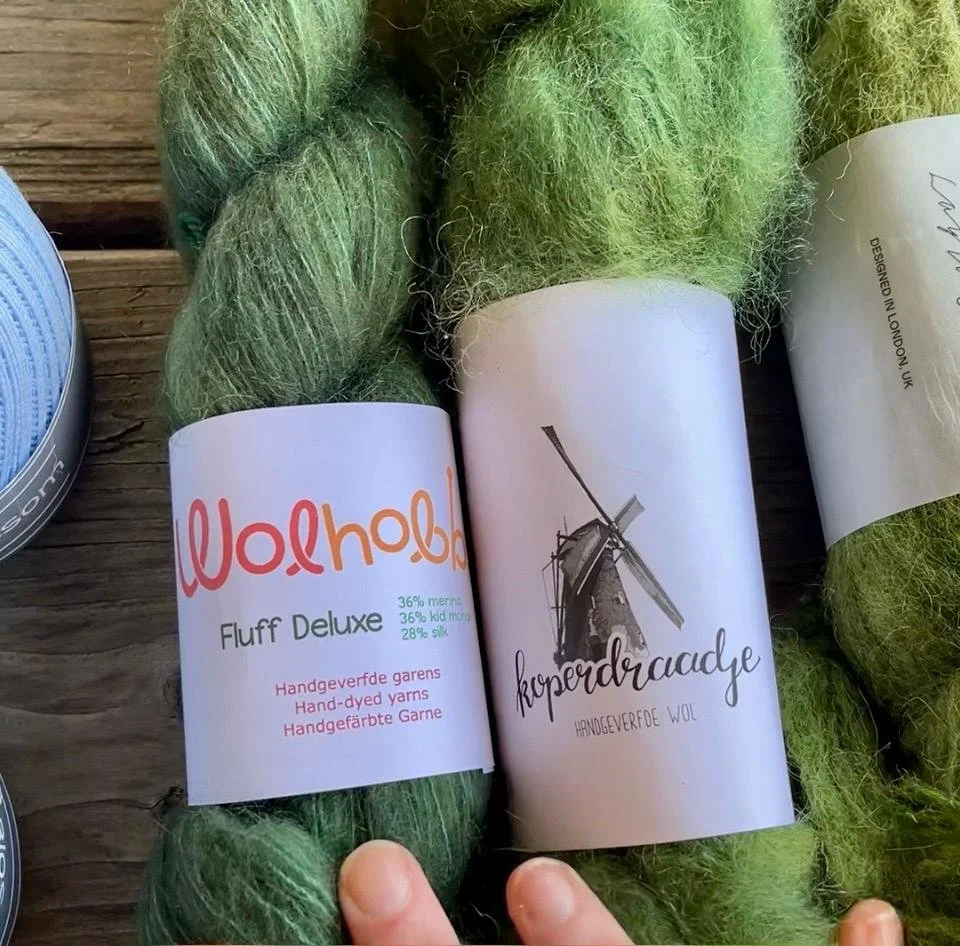
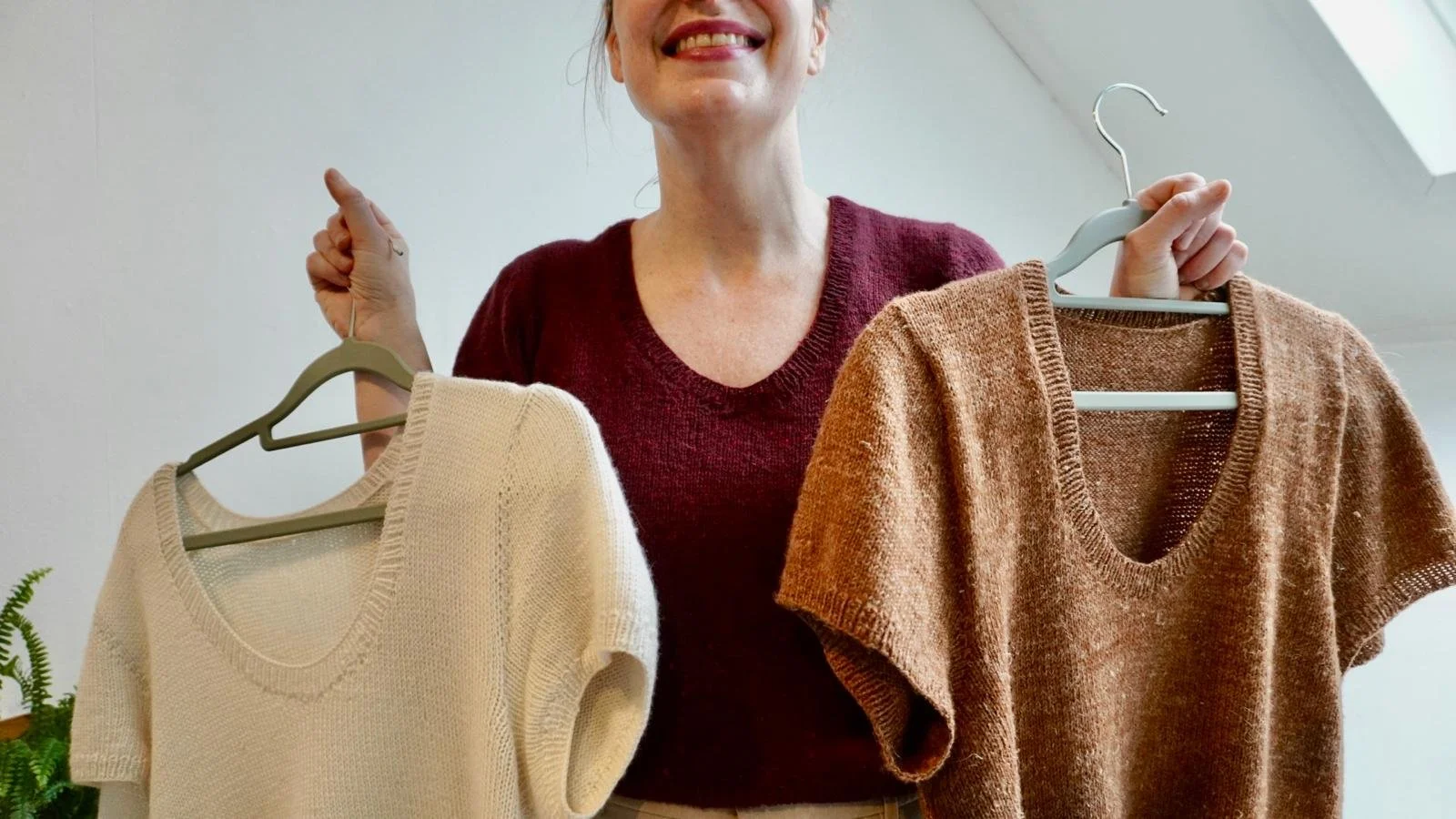
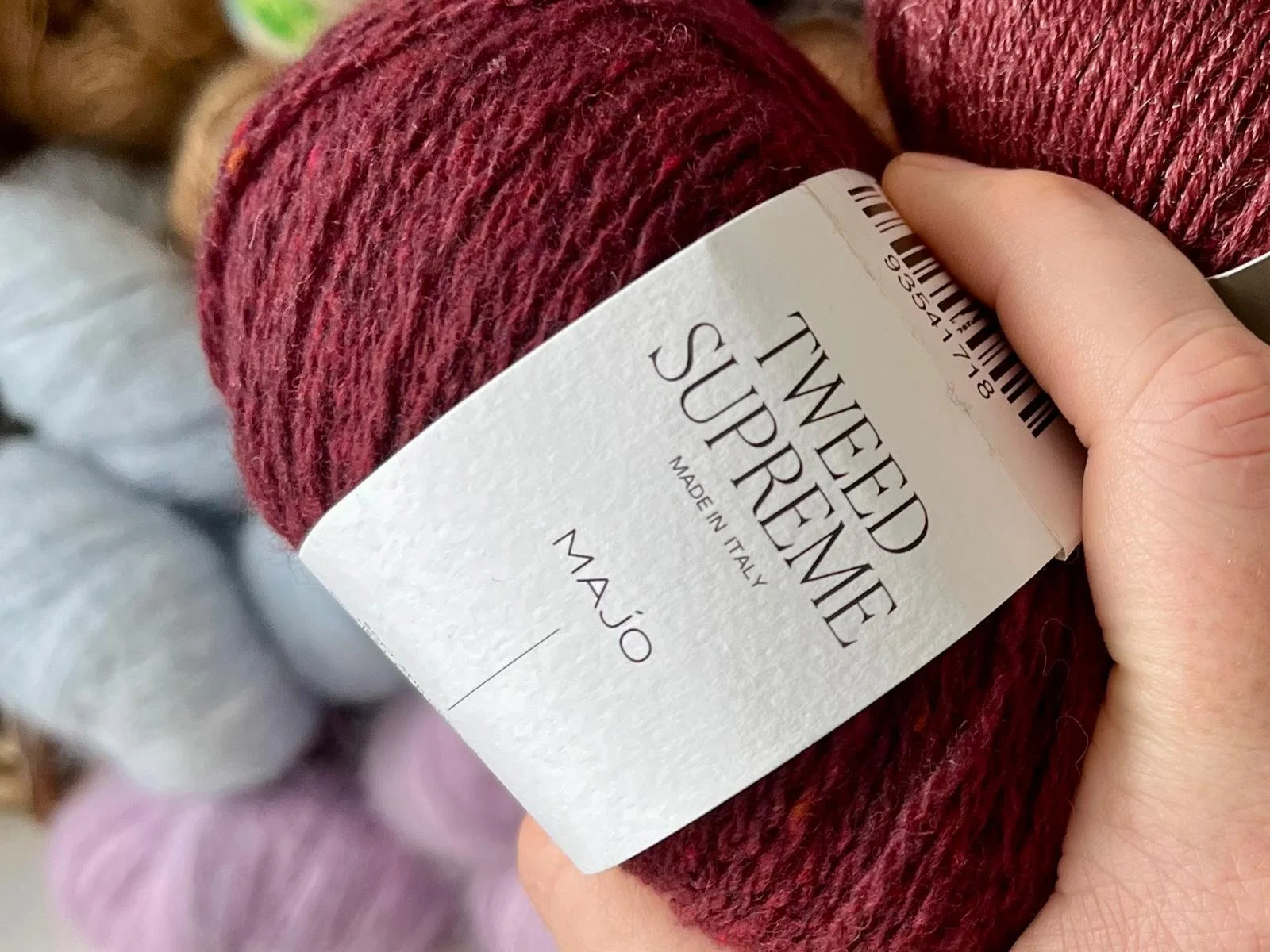
Tweed, Abstracted
Tweed carries a long history, from traditional Scottish wool cloth to modern knitwear design. In this exploration of the Cashmere Outside Tee, superfine merino tweed yarn transforms a minimalist knitting pattern into a study in texture, depth, and contemporary interpretation.
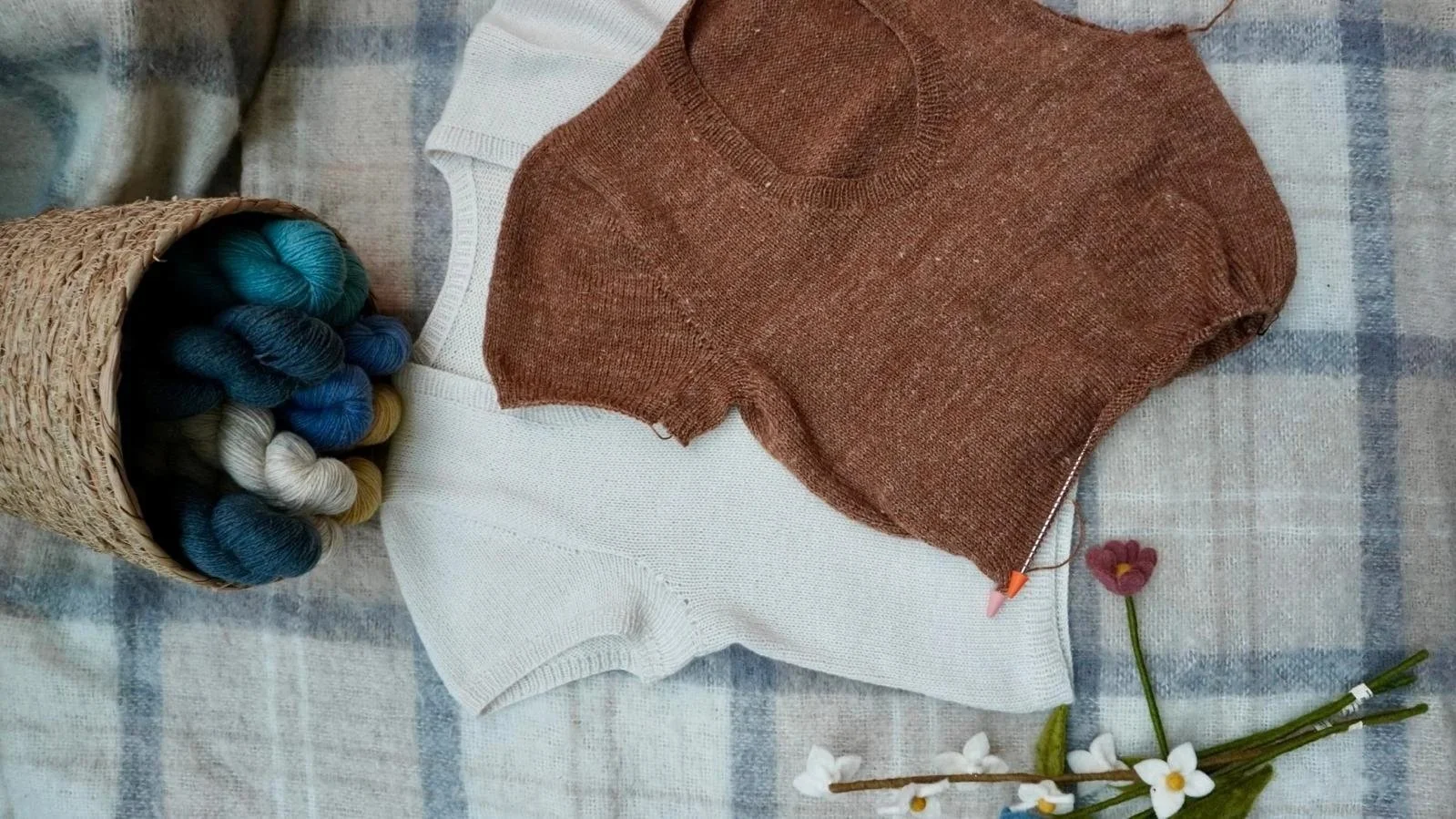
On Merino and Linen
I only meant to think about a summer tee… and somehow ended up deep in the world of merino-linen blends. Merino gives that soft, wearable comfort, linen adds structure and airflow, and together they create a fabric that drapes instead of bounces. If you love summer knitting, you’re going to want to read this.